Glutathione for Skin: Benefits, How It Works and What to Expect
Search any skincare forum in India right now and glutathione is everywhere: in serum labels, in dermatologist reels, in the ingredient list of that effervescent tablet your friend swears by. It has been called the master antioxidant, a glow supplement and a brightening shortcut, sometimes all in one breath.
The truth is more interesting than the hype. Glutathione is a molecule your own body makes, the research behind it is real but specific, and results follow a timeline that no honest brand should promise to skip. Here is what it actually does for skin, and what to expect when you start taking it.
What is glutathione? · Why your levels drop · What research says about skin · Benefits beyond tone · Effervescent vs pills vs creams · How to take it · A realistic timeline · Who should check first
What is glutathione?
Glutathione is a tripeptide, a tiny protein built from three amino acids (glutamine, cysteine and glycine), produced naturally in almost every cell of your body. Its day job is neutralising free radicals, the unstable molecules generated by UV exposure, pollution, stress and normal metabolism. Health institutions such as the Cleveland Clinic describe it as one of the body's most important antioxidants, which is where the master antioxidant nickname comes from.
Why your levels drop
Your glutathione supply is not fixed. Levels decline with age, and they take a hit from the exact things Indian city life serves daily: high UV index, traffic pollution, irregular sleep, processed food and stress. Lower glutathione means more unchecked oxidative stress, which shows up on skin as dullness, uneven tone and faster visible ageing.
That is the logic of supplementation: not adding something foreign, but topping up something your body already runs on.
What research says about skin
The most cited evidence comes from randomised controlled trials on oral glutathione. A 12-week study published in Clinical, Cosmetic and Investigational Dermatology (Weschawalit et al., 2017) found that 250 mg daily of glutathione, in both its reduced and oxidised forms, was associated with reduced melanin index at some skin sites, along with improvements in wrinkle appearance and skin elasticity compared with placebo.
The honest summary of the wider literature: effects on skin tone are measurable but moderate, they build gradually, and they depend on consistent daily intake. Glutathione influences melanin production by nudging the pathway toward lighter pheomelanin and by reducing the oxidative triggers that darken skin. It is a tone-evening, glow-supporting ingredient, not a skin-colour changer, and anyone promising otherwise is overselling.
Glow benefits beyond tone
Because glutathione works at the level of oxidative stress, its benefits do not stop at brightness.
- Antioxidant defence: fewer free radicals attacking collagen means skin that holds firmness longer.
- Support for skin recovery: oxidative stress slows repair; keeping it in check helps skin bounce back from sun and late nights.
- Overall wellness: glutathione also supports liver function and immune health, which is why it appears in wellness stacks and multivitamins, not just beauty routines.
Effervescent vs pills vs creams
Format matters more than most people think, because plain oral glutathione has a known absorption challenge: digestive enzymes break some of it down before it reaches your bloodstream.
Effervescent tablets dissolve completely in water, so the actives arrive pre-dissolved and are easier on the stomach. They also make the habit pleasant, which quietly fixes the biggest supplement problem of all: skipping days. Capsules and pills work too, provided you stay consistent. Topical creams act locally on the skin surface but the molecule is large, so most dermatologists treat topicals as support rather than the main route.

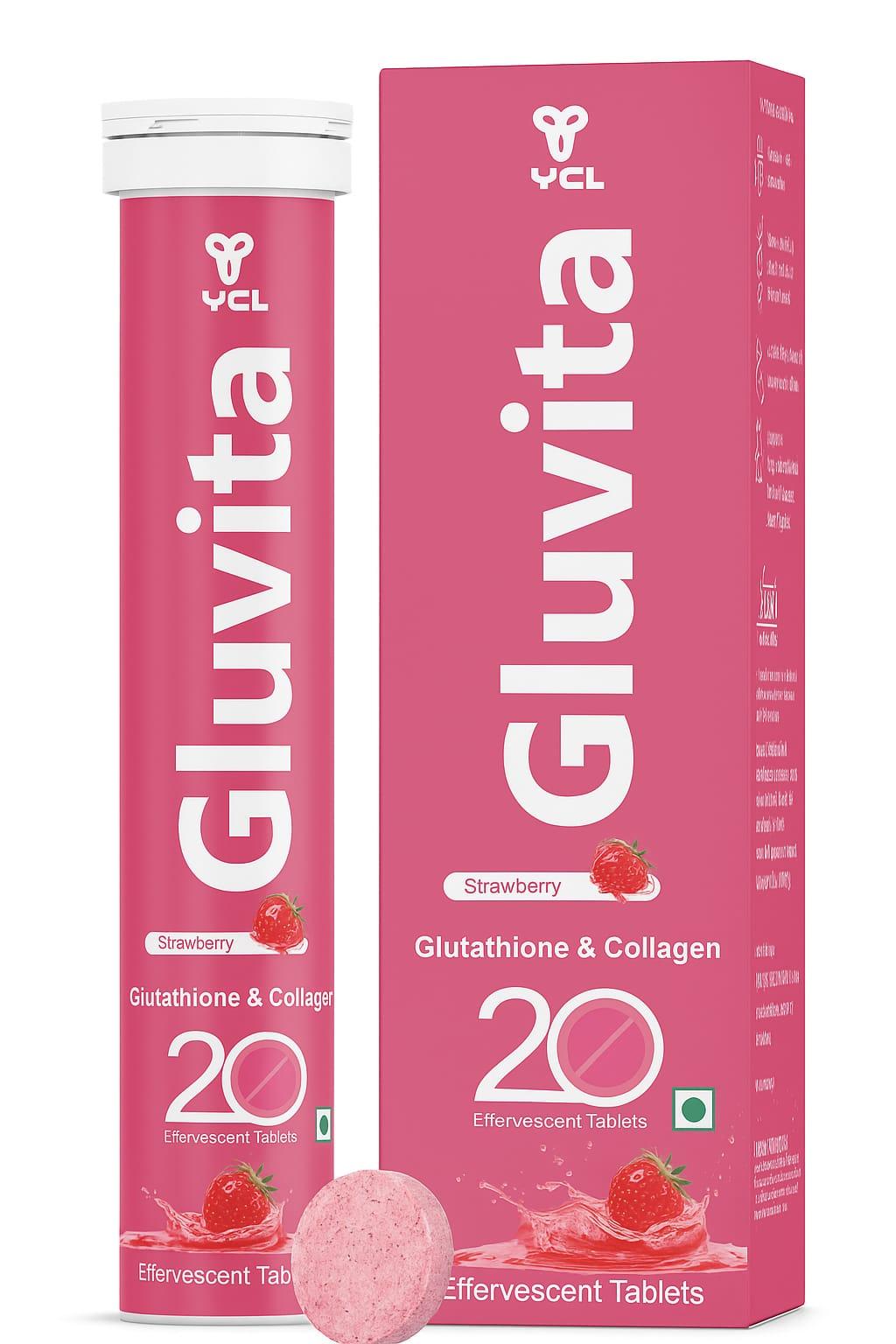
Glutathione paired with vitamin C in a fizzy, dissolve-and-drink format. One glass a day, no pill fatigue.
Gluvita Effervescent from our GMP and ISO 9001:2015 certified labsHow to take it: the vitamin C pairing
Vitamin C and glutathione are a genuine team. Vitamin C helps regenerate glutathione back to its active, reduced form after it has neutralised a free radical, and it supports collagen synthesis on the side. This is why serious formulations combine the two rather than selling glutathione alone.
Three habits improve your odds of visible results:
- Take it at the same time daily; consistency beats dose.
- Pair the supplement with sunscreen every morning, since fresh UV exposure works directly against the tone benefits you are building.
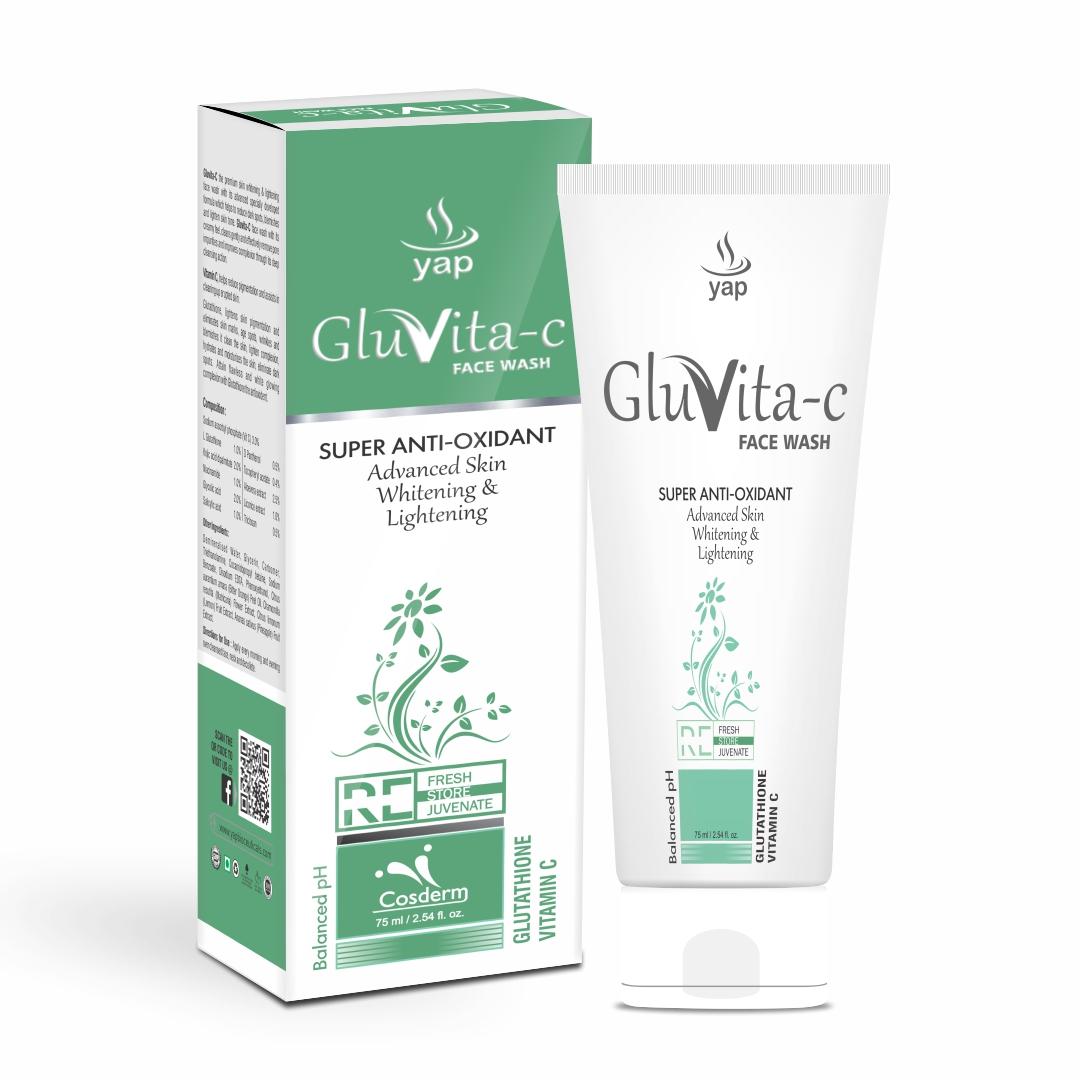
- Support it topically: a vitamin C cleanser such as our Gluvita C Facewash keeps the routine aligned from inside and out.
A realistic timeline
Here is what a fair expectation looks like with daily use: weeks one and two, nothing visible, the antioxidant work is internal. Weeks three to six, early changes, skin often looks fresher and less dull. Weeks eight to twelve, the window where published studies measured improvements in melanin index, elasticity and wrinkle appearance. Give it a full quarter before you judge it, and take a week-zero selfie in natural light, because gradual change is easy to miss in the mirror.
Who should check with a doctor first
Oral glutathione at studied doses of 250 to 500 mg daily was well tolerated in trials. Still, skip the guesswork if you are pregnant or nursing, have a medical condition, or take regular medication: a quick conversation with your doctor comes first. And whatever the brand, stay at the labelled dose; more is not faster.
The bottom line: glutathione is one of the few glow ingredients with real trial data behind it, as long as you respect the timeline. Start with the glutathione collection, stay consistent for twelve weeks, and let the science do its quiet work.
Actives that actually deliver
Ingredient science, routines and honest timelines from Yap Bioceuticals.
Shop Bestsellers